
 Many people associate aromatherapy with bath and beauty products, but it offers so much more—including relief for health conditions like arthritis. For over 25 years, I’ve used aromatherapy protocols to help manage conditions such as rheumatoid arthritis, osteoarthritis, gout (a type of arthritis in the big toe), and fibromyalgia (which affects muscles and soft tissues). Here are seven of my preferred essential oils for alleviating pain, inflammation, and stiffness associated with arthritis.
1. Black Pepper (Piper nigrum berries)
Black pepper essential oil is highly effective for easing joint pain. Its warming properties provide soothing relief while its analgesic compounds work to reduce pain. However, due to its potency, it must be diluted before use. Mix one or two drops with a teaspoon of carrier oil before applying it topically to affected areas. Be cautious if you have sensitive skin, as black pepper oil can feel harsh.
2. Clove (Eugenia carophyllata)
Clove essential oil is a powerful natural analgesic that is particularly effective for relieving pain associated with rheumatoid arthritis, osteoarthritis, and gout. Its potency requires extreme dilution—use only one drop per teaspoon (about 100 drops) of carrier oil. Always perform a skin patch test before use, and avoid clove oil if you have highly sensitive skin.
3. Ginger (Zingiber officinalis)
Ginger essential oil provides a comforting warmth that soothes arthritic joints and eases the muscle pain and stiffness often associated with fibromyalgia. Dilute two to three drops of ginger oil in a teaspoon of carrier oil and gently massage into the affected areas for relief. Its warming sensation can help improve mobility and reduce discomfort.
4. Lavender (Lavandula angustifolia)
Lavender essential oil is a dual-action remedy for arthritis pain and stress. It relaxes the nervous system while relieving joint and muscle aches. Lavender is especially beneficial for nighttime use, helping to ease pain and promote restful sleep. Apply one or two drops directly to the soles of your feet or palms before bed. While lavender can often be applied neat (undiluted), it’s safer to dilute it—two drops in four drops of a carrier oil—for sensitive skin.

5. Lemongrass (Cymbopogon citratus)
Lemongrass essential oil is an excellent choice for supporting connective tissue health. It tones tendons and may help when joints feel unstable. To use, dilute a few drops in a teaspoon of carrier oil and massage into the affected areas. Lemongrass’s refreshing scent adds an uplifting element to its therapeutic benefits.
6. Marjoram (Origanum majorana)
Marjoram essential oil is ideal for muscle aches, stiffness, and joint sprains. It’s particularly beneficial for fibromyalgia sufferers, as it helps alleviate both pain and muscle tightness. Avoid using marjoram oil if you have epilepsy. To use, dilute a few drops in a carrier oil and apply to the affected areas through massage.
7. Peppermint (Mentha piperita)
Peppermint essential oil contains natural analgesic compounds that effectively reduce pain and inflammation. It provides an intense cooling sensation on the skin, making it a great option for inflamed joints. Peppermint oil can often be applied neat, but use caution as a little goes a long way. Apply one drop directly to painful joints, massage gently, and wash hands immediately after application to avoid contact with eyes.
Tips for Using Essential Oils Safely
- Choose High-Quality Oils: Always select pure, undiluted essential oils from reputable sources. Low-cost oils may contain synthetic compounds, solvents, or pesticides that reduce their therapeutic value and could be harmful.
- Dilution is Key: Dilute essential oils with a carrier oil such as coconut, jojoba, or sweet almond oil. This not only makes the oils safer to use but also helps them spread easily over the skin.
- Patch Test: Conduct a 48-hour patch test before using any essential oil. Apply the diluted oil to a small, inconspicuous area of skin and monitor for any irritation or allergic reaction.
- Avoid Sensitive Areas: Do not apply essential oils near the eyes, inner ears, or mucous membranes.
- Consult a Professional: If you’re new to essential oils or have underlying health conditions, consult an aromatherapist or healthcare provider before use.
Final Thoughts
Essential oils can be a powerful and natural way to manage arthritis symptoms. From reducing pain and inflammation to improving mobility and relaxation, these oils offer a wide range of benefits. By choosing high-quality oils and using them safely, you can experience their therapeutic effects and improve your overall quality of life.
Check our bestsellers!
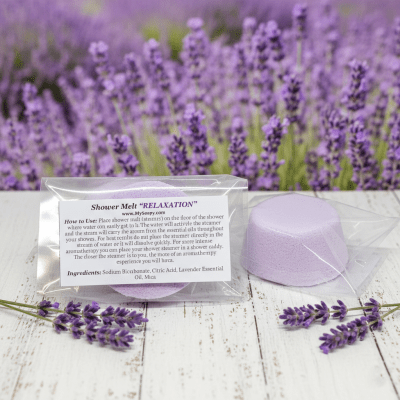
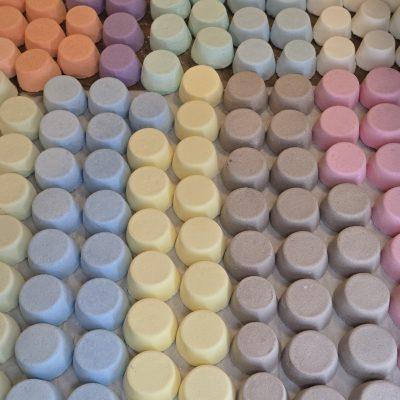
Shower Melts (Steamers)
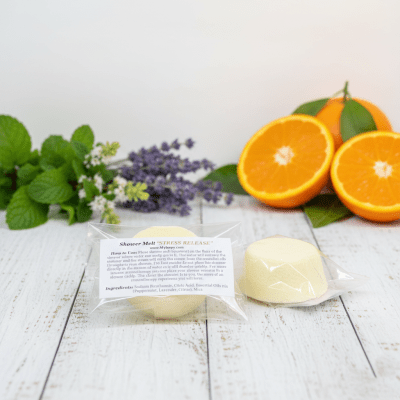
Shower Melts (Steamers)
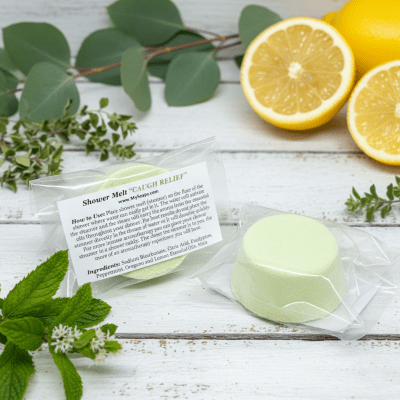
Shower Melts (Steamers)
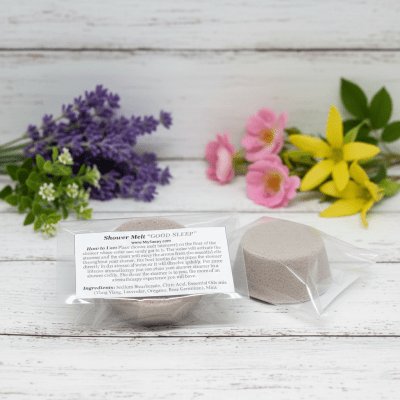
Shower Melts (Steamers)
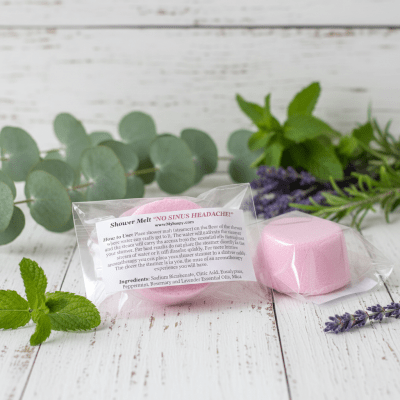
Shower Melts (Steamers)

Shower Melts (Steamers)
